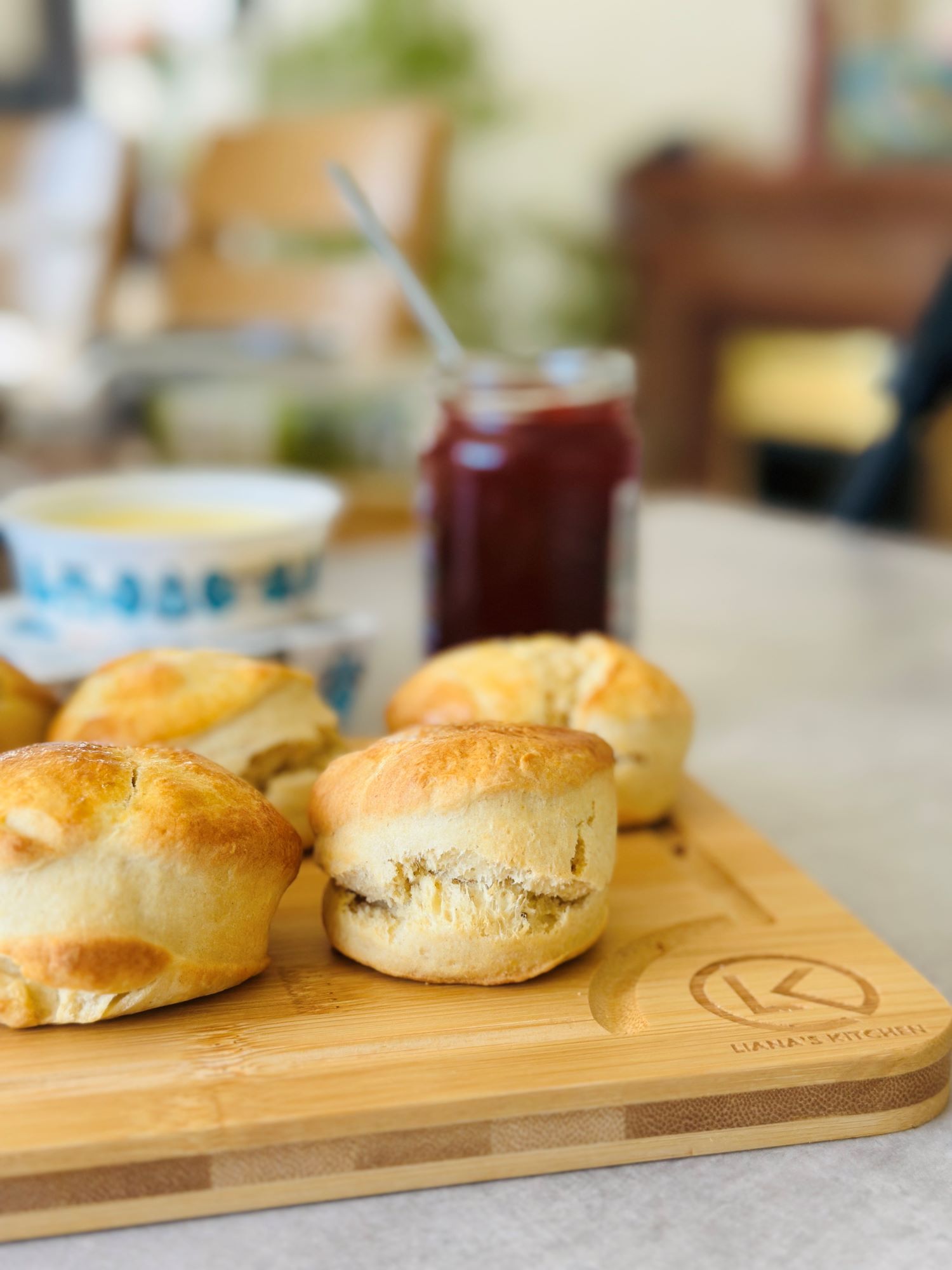
Unlock the Secret to Perfect Scones: Flaky, Buttery Bliss at Home
For many, the word "scone" conjures images of dry, crumbly, and frankly, rather bland baked goods. But what if we told you that the perfect scone, one that boasts an ethereal flakiness, a tender crumb, and a rich, buttery flavor, is not only achievable but surprisingly easy to make right in your own kitchen? Forget everything you thought you knew about scones and prepare to embark on a culinary journey that will elevate your breakfast, brunch, or afternoon tea experience. This comprehensive guide will show you exactly
how to make scones that rival your favorite coffee shop's, ensuring every bite is a delightful revelation.
The obsession with truly great scones often begins with that first transformative bite. Unlike their often-misunderstood counterparts, a well-made scone is a marvel of baking science. They are heartier and more substantial than biscuits, thanks to the inclusion of eggs and a touch more sugar, yet maintain an irresistible lightness. Beyond their delightful texture and taste, what makes them truly exceptional is their incredible versatility. Whether you prefer them plain, studded with fruits, chocolate, or citrus zest, or served alongside a dollop of clotted cream and your favorite jam, scones are a canvas for endless flavor possibilities.
Mastering the Art of Scones: Essential Tips for Success
Achieving that coveted flaky, buttery perfection isn't just about following a recipe; it's about understanding a few fundamental principles that will transform your baking. These simple yet powerful tips are the cornerstone of any truly great scone, making the process of
how to make scones a rewarding one.
The Magic of Cold, Grated Butter
This is perhaps the most crucial secret to flaky scones. Warm butter melts too quickly and incorporates too fully into the dough, leading to a dense, cake-like texture. By using frozen butter and grating it, you ensure that tiny pockets of cold butter remain suspended within the flour mixture. As the scones bake, these butter pieces melt, releasing steam that pushes apart the layers of dough, creating those desirable flaky layers. The grating method also makes it incredibly easy to distribute the butter evenly without overworking it.
Handle with Care: The Gentle Touch
When mixing your scone dough, remember the mantra: less is more. Overworking the dough develops the gluten, resulting in tough, chewy scones rather than the tender, melt-in-your-mouth texture you crave. Mix just until the ingredients barely come together and large clumps form. Don't worry if the dough seems dry or crumbly at first; a gentle hand will bring it together as you shape it. This delicate approach is vital for achieving optimal tenderness.
The Power of a Sharp Knife
Once your dough is shaped, how you cut it matters. Use a sharp knife and press straight down in a decisive motion, avoiding any sawing action. Sawing can seal the edges of the dough, hindering the scones from rising evenly and beautifully in the oven. A clean cut allows them to puff up symmetrically, contributing to their appealing appearance and texture.
Preheat for Perfection: Oven Temperature Matters
Always bake your scones in a fully preheated oven. A hot oven provides an initial blast of heat that encourages the butter to melt rapidly and the leavening agents (baking powder and baking soda) to activate quickly, resulting in a beautiful "oven spring." This rapid rise is essential for light, airy, and well-puffed scones with a golden-brown crust.
Serving Warm and Wonderful
While delicious at room temperature, scones are truly at their peak when served slightly warm. The warmth enhances their buttery aroma and tender crumb. Pair them with your favorite accompaniments – a simple spread of butter, a dollop of berry jam, or for a truly indulgent experience, a spoonful of rich clotted cream. For more expert advice on achieving coffee shop quality, explore
Unlock Perfect Scones: Pro Tips for Coffee Shop Quality at Home.
Easy Scone Recipe: Step-by-Step for Flaky Perfection
This recipe simplifies the process of
how to make scones, ensuring even novice bakers can achieve remarkable results. With everyday ingredients and clear instructions, you'll be enjoying homemade scones in no time.
Ingredients You'll Need:
* 2 cups all-purpose flour
* ⅓ cup granulated sugar
* 1 teaspoon baking powder
* ½ teaspoon salt
* ¼ teaspoon baking soda
* 8 tablespoons (1 stick) unsalted butter, frozen
* ½ cup raisins or dried currants (optional, or other additions)
* ½ cup sour cream (or plain whole milk yogurt)
* 1 large egg
* 1 teaspoon white sugar (for sprinkling)
Preparation Instructions:
1. **Prep Your Space:** Gather all your ingredients and tools. Preheat your oven to 400 degrees F (200 degrees C) and adjust the oven rack to the lower-middle position. Line a baking tray with parchment paper. This ensures even baking and prevents sticking.
2. **Combine Dry Ingredients:** In a large mixing bowl, whisk together the flour, ⅓ cup sugar, baking powder, salt, and baking soda. A quick whisk ensures these dry leavening agents and flavorings are evenly distributed.
3. **Incorporate the Butter:** Using the large holes of a box grater, grate the frozen butter directly into the flour mixture. Use your fingertips to gently work the butter into the flour until the mixture resembles coarse crumbs. This step is crucial for flakiness. If using, toss in your raisins or dried currants now, ensuring they are coated in the flour mixture to prevent them from sinking to the bottom.
4. **Wet Ingredients Whisk:** In a separate small bowl, whisk together the sour cream and the large egg until well combined. The sour cream not only adds moisture but also a subtle tang and richness that contributes to a tender crumb.
5. **Form the Dough:** Pour the sour cream mixture into the flour mixture. Using a fork, stir until large dough clumps begin to form. Resist the urge to overmix! Once clumps appear, turn the dough out onto a lightly floured surface. Use your hands to gently gather and shape the dough into a ball. Don't worry if it seems dry or crumbly at first; the warmth of your hands will help it come together without overworking.
6. **Shape and Cut:** Pat the dough into a 7 to 8-inch circle, about ¾-inch thick. Sprinkle the top evenly with the remaining 1 teaspoon of white sugar for a delightful sparkle and slight crust. Using your sharp knife, cut the circle into 8 equal triangles.
7. **Bake to Golden Perfection:** Carefully place the scone triangles onto your prepared baking tray, spacing them about 1 inch apart. Bake in the preheated oven for 15 to 17 minutes, or until the scones are beautifully golden brown and puffed up.
8. **Cool and Serve:** Allow the scones to cool on the baking tray for about 5 minutes before transferring them to a wire rack. Serve them warm or at room temperature, ready to be slathered with your chosen toppings.
Elevate Your Scones: Customization and Serving Ideas
One of the greatest joys of knowing
how to make scones is the boundless potential for customization. While classic raisin scones are always a hit, don't be afraid to experiment!
* **Fruity Delights:** Beyond raisins or currants, try dried cranberries, chopped dried apricots, blueberries (fresh or frozen), or finely diced apples.
* **Citrus Zing:** Add the zest of an orange, lemon, or lime to the dry ingredients for a fragrant burst of flavor.
* **Chocolate Indulgence:** Mini chocolate chips or finely chopped dark chocolate pieces make a decadent addition.
* **Nutty Crunch:** A handful of chopped pecans, walnuts, or almonds can add wonderful texture.
* **Savory Surprises:** For a savory twist, omit most of the sugar and add shredded cheese, chives, or a pinch of black pepper and herbs.
Serve your fresh, warm scones with classic accompaniments like strawberry jam, raspberry preserves, or homemade lemon curd. For an authentic British experience (though this is an American-style scone recipe), clotted cream is a must. You can also whip up a flavored butter – honey butter, cinnamon butter, or even a citrus-infused butter can elevate the experience. Planning a brunch? These tender, customizable scones can be ready in around 35 minutes, making them perfect for any gathering. Find more inspiration in
Make Scones in 35 Minutes: Tender & Customizable for Any Brunch.
Beyond the Bake: Storage and Make-Ahead Magic
Having delicious homemade scones on hand is always a good idea. Here’s how to store them or prepare them in advance:
* **Storage:** Store baked and cooled simple scones in an airtight container at room temperature for up to two days. For longer freshness, refrigerate them for up to one week. Reheat gently in the oven or microwave for the best texture.
* **Freezing Baked Scones:** Yes, you can freeze baked scones! Once completely cooled, wrap them individually in plastic wrap, then place them in a freezer-safe bag or container for up to three months. Thaw them in the refrigerator overnight or at room temperature for a few hours before reheating.
* **Make-Ahead (Freeze Unbaked Dough):** For ultimate convenience, prepare the scone dough up to the cutting stage. Cut the triangles and arrange them on a parchment-lined baking sheet. Freeze the unbaked scones until solid (about 1-2 hours), then transfer them to a freezer-safe bag. When ready to bake, place the frozen scones directly on a baking sheet and bake as directed, adding a few extra minutes to the baking time (typically 20-25 minutes). This means fresh, warm scones anytime you desire!
Conclusion
Learning
how to make scones is a rewarding skill that opens up a world of culinary delights. No longer will you settle for dry, mediocre versions. With this easy-to-follow recipe and these invaluable tips, you're now equipped to create ultra-buttery, flaky, and tender scones that will impress family and friends alike. So, roll up your sleeves, grab that frozen butter, and prepare to bake your way to scone perfection. Your breakfast, brunch, and afternoon tea experiences are about to get a delicious upgrade!